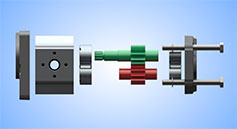
Hydraulic pump commissioning starts before the drive is connected. An orderly inspection helps identify contamination, suction or mounting problems that could damage the replacement unit. This guide covers general checks; the instructions for the specific pump and machine take precedence.
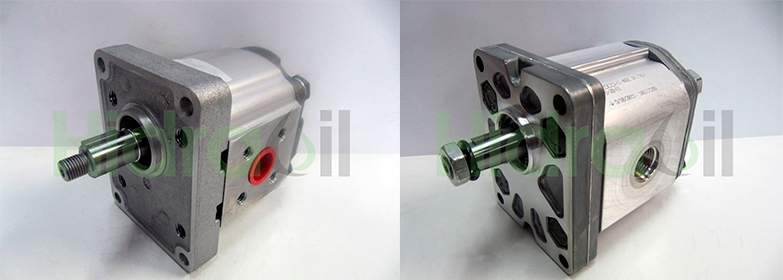
Identify the pump and prepare the work
Check the reference, pump type, connections and direction of rotation. The arrow marked on the body must agree with the drive. Secure the machine and release residual pressure before working. The installer must understand circuit operation; use an experienced, qualified professional if replacement exceeds the available skills.
The mounting and coupling must be aligned without excessive side or end loading on the shaft. Permissible loads depend on the model: a shaft that fits does not by itself confirm correct installation.
Prepare clean oil and connections
- Clean the reservoir and inspect system seals and connections.
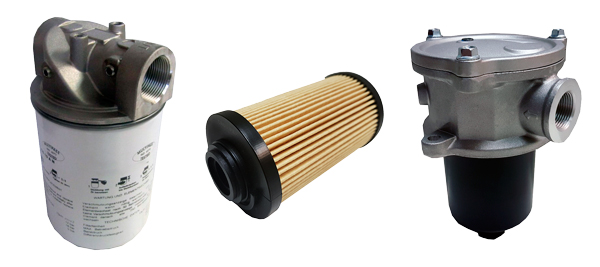
- Replace filters and use clean hydraulic oil compatible with the installation.
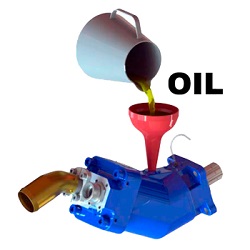
- Prefill the pump case before connecting suction, pressure and case-drain lines, where applicable, following the manufacturer's procedure.
- Size connecting lines for the circuit flow.

Check suction, case drainage and bleeding
Keep the suction pipe clean and as short as possible. Avoid sharp elbows and reductions in cross-section that restrict the oil supply. The pump requires air-free oil meeting the specified cleanliness and temperature conditions. Inspect joints for leakage and air ingress; air can enter a suction connection without an obvious external oil leak.
If external case drainage is fitted, use a dedicated line directly to the reservoir as required by the manual. General guidance places the connection as high as possible and the line end below the minimum fluid level, limiting foaming and preventing the case from emptying while the pump is stopped. Bleed the complete system, including pipes, cylinders, motors and valves.
Start, observe and apply load gradually
Run initially at zero pressure, or the prescribed minimum pressure, for a few minutes. Increase pressure gradually to the manufacturer's recommended level while checking noise, leakage, foaming and oil supply. Suitable flexible lines can reduce transmitted vibration.
Stop commissioning if abnormal behaviour appears and correct its cause before continuing. Record the oil, filters and settings used. Failure to comply with installation instructions can affect warranty coverage. Also consult the dedicated guides for gear pumps, vane pumps and piston pumps.