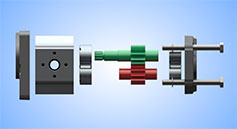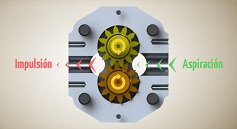
For a hydraulic gear pump, check that rotation, shaft, flange and ports match the drive and circuit. A similar-looking flange does not establish that two pump references are interchangeable.
Installation and initial start-up are essential to hydraulic unit reliability. A correct replacement involves checking the mechanical mounting, oil supply and circuit settings before applying a load. These general instructions complement the manufacturer’s documentation; they do not replace the procedure for the machine or the specific model being installed.
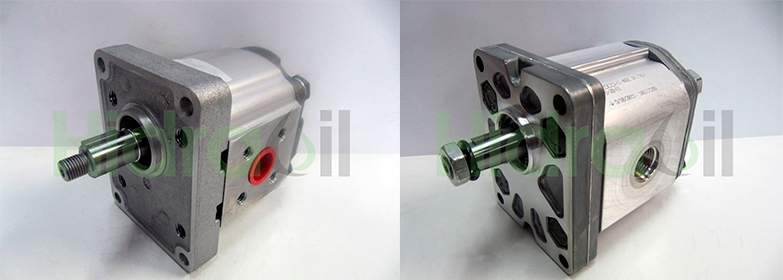
Before installing the unit
The work should be carried out by personnel who understand the hydraulic system. If installation or replacement is beyond your experience, obtain qualified technical assistance. Have the unit documentation available and check that the oil, operating conditions and connections are suitable for the complete system.
Cleanliness, oil and filtration
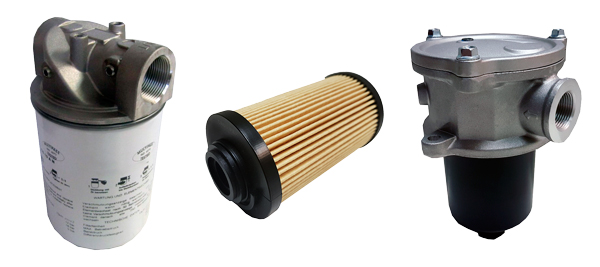
The oil must be clean and suitable for the unit and the system’s operating temperature range. Clean the inside of the reservoir and inspect the pipes, fittings and seals. Replace the relevant filters and replenish with clean oil. Contamination or trapped air introduced during installation can also damage a new unit.

Mechanical mounting and hydraulic connections
Check the required direction of rotation and its compatibility with the drive. Align the coupling correctly and avoid axial or radial shaft loads that the manufacturer does not permit. Size pipes, hoses, fittings and accessories for the circuit’s maximum flow; avoid unnecessary elbows and excessively tight bends.
Where the installation permits, flexible connections help limit the transmission of vibration. Connections must remain leak-tight: check for both oil leakage and air entering the circuit. A restricted inlet or an air leak must be investigated before proceeding with start-up.
If the pump or one of its valves has a drain, follow the arrangement specified for the model: the port should be uppermost and the line should run directly to the reservoir, with its end below the oil level.
Filling and bleeding the circuit
Before connecting and starting the gear pump, fill its housing with clean hydraulic oil through the inlet and outlet connections, following the mounting arrangement specified for that model.
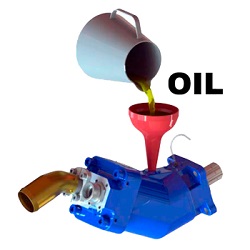
Bleed the complete system, including the unit, the associated pump or motor, pipes and other components, in accordance with the machine procedure. Filling the reservoir alone does not remove air from the circuit. Check the oil level after filling the components and readjust it as instructed.
Initial start-up
Unload the circuit and reduce the relief-valve pressure to the minimum setting specified for commissioning. Run the unit initially without load, at minimum speed and at zero or minimum pressure, as permitted by the manufacturer. Continue for several minutes, then increase speed and pressure gradually to the recommended operating conditions.
Checks after starting
Observe operation before applying the normal machine load. Check for leaks and inspect connections, oil level, temperature, vibration and abnormal noise. On the inlet side, make sure air is not being drawn in and check for bubbles in the reservoir. If an abnormal condition appears, stop commissioning and identify the cause before continuing.
Keep a record of the unit reference and final operating settings. Drainage, mounting, fluid and start-up requirements can vary between models; always consult the relevant technical documentation and follow the manufacturer’s required procedures. Contact Hidraoil for help checking a reference or preparing a replacement.